
Sri Devi Khadgamala Stotram in Telugu PDF: Article Plan
This article explores accessing the Sri Devi Khadgamala Stotram in Telugu PDF format‚ detailing reliable sources and the importance of accurate translations․
It also touches upon the stotram’s connection to Vaidika Vignanam‚ Vedic literature categories‚ and rituals‚ alongside MP3 availability from Siddhaguru Sri Ramanananda Maharshi․
Further‚ it references the Sri meaning‚ and the availability of the stotram through mobile apps and platforms like Gaana․
The Sri Devi Khadgamala Stotram is a powerful hymn dedicated to the Divine Mother‚ Lalita Tripura Sundari‚ and is revered within the Shakta tradition․ Its Telugu PDF versions are sought after by devotees for personal recitation and study․ This stotram‚ originating from the Vamakeshvara Tantra‚ is a garland of swords‚ symbolizing the Goddess’s fierce power to destroy negativity and bestow blessings․
Accessing accurate Telugu translations is crucial for proper understanding and effective chanting․ Online resources offer downloadable PDFs‚ like Sri_Devi_Khadgamala_Stotram_ShuddhaTelugu․pdf‚ but verifying authenticity is paramount․ The stotram’s roots are deeply embedded in Vedic traditions and knowledge․
The Significance of Khadgamala Stotram
The Khadgamala Stotram holds immense significance as a potent tool for Sarvaabhishtha Siddhyartham – fulfilling all desires․ Its verses‚ when recited with devotion (Bhava)‚ are believed to offer protection from negative energies and facilitate spiritual growth․ The “garland of swords” metaphor represents the Goddess’s ability to sever attachments and illusions․
Telugu PDFs of this stotram are valued for enabling devotees to connect with its power through their native language․ The stotram’s connection to Vedic chanting and rituals‚ as outlined in Vaidika Vignanam‚ underscores its sacredness and efficacy․
Historical Context and Origins
The Sri Devi Khadgamala Stotram originates from the Vamakeshvara Tantra‚ a significant text within the Shakta tradition․ While a precise dating remains elusive‚ its roots lie deep within ancient Vedic and Tantric practices․ The stotram’s textual lineage is traced through various commentaries and oral traditions․
Accessing Telugu PDFs allows for a deeper engagement with this historical context‚ as translations often include scholarly notes on the stotram’s origins and evolution․ The document “Sri_Devi_Khadgamala_Stotram_ShuddhaTelugu․pdf” hints at a rich Vedic background‚ linking it to six categories of Vedic literature and sixteen rituals․
Vamakeshvara Tantra and its Connection
The Sri Devi Khadgamala Stotram is intrinsically linked to the Vamakeshvara Tantra‚ considered its foundational source․ This Tantra details the mantras‚ yantras‚ and rituals associated with the Goddess‚ particularly Lalita Tripura Sundari․
Finding Telugu PDFs of the stotram often includes references to the Vamakeshvara Tantra‚ explaining its role in the stotram’s structure and meaning․ The document “khadgamala․itx” explicitly mentions the Tantra‚ highlighting its importance․ Understanding this connection is crucial for proper recitation and appreciating the stotram’s power‚ as evidenced by the emphasis on Shadganyaas․
Understanding ‘Sri’ in the Context of the Stotram
The term “Sri” holds multifaceted significance‚ extending beyond its common usage as a respectful title․ Within the Sri Devi Khadgamala Stotram‚ and as noted in the “khadgamala․itx” file‚ “Sri” represents auspiciousness‚ radiance‚ and divine power․
When seeking Telugu PDFs of the stotram‚ recognizing this deeper meaning enhances comprehension․ “Sri” can also refer to Sri Lanka‚ the Roman Empire‚ or even Socially Responsible Investment (SRI)‚ but within this context‚ it embodies the Goddess’s inherent glory and the potent energy invoked through the stotram’s recitation․
The Meaning of ‘Khadgamala’ ⸺ Garland of Swords
“Khadgamala” literally translates to “garland of swords‚” a potent image reflecting the fierce protective energy of the Divine Feminine․ This isn’t a literal garland‚ but a symbolic representation of the Goddess’s power to sever attachments and destroy negativity․
When searching for Sri Devi Khadgamala Stotram in Telugu PDF format‚ understanding this symbolism is crucial․ The ‘swords’ represent mantras themselves‚ cutting through ignorance and illusion․ The stotram‚ therefore‚ is a powerful tool for spiritual warfare‚ offering protection and facilitating liberation‚ as highlighted in the provided text snippets․
Structure of the Stotram
The Sri Devi Khadgamala Stotram follows a structured format rooted in Tantric tradition․ While a precise verse count isn’t explicitly stated in the provided information‚ the text references Shadganyaas – a sixfold ritualistic procedure – suggesting a defined sequence of actions accompanying recitation․
When seeking a Telugu PDF‚ look for versions that include this preparatory ritual․ The stotram also incorporates Dhyanam‚ a meditative component focusing on the Goddess․ The structure is designed to invoke Her presence and amplify the mantra’s power‚ as evidenced by the Telugu text excerpts․
Number of Verses and Organization
Determining the exact number of verses within the Sri Devi Khadgamala Stotram requires accessing a complete Telugu PDF version․ The provided snippets don’t specify a total count‚ but highlight the inclusion of verses for Shadganyaas and Dhyanam – foundational elements․
Organizationally‚ the stotram appears to be structured around invoking the Goddess Lalita Tripura Sundari‚ utilizing Beeja Mantras like ‘Hreem’ and ‘Kleem’․ A Telugu PDF should ideally present verses in a logical order‚ facilitating proper recitation and understanding of the stotram’s potent energy․
The Role of the Divine Feminine (Devi)
The Sri Devi Khadgamala Stotram fundamentally centers on the Divine Feminine‚ specifically venerating the Goddess as the ultimate power – Devi․ References to Lalita Tripura Sundari are prominent‚ indicating a strong connection to this manifestation of Shakti․
The stotram’s verses‚ when accessed through a Telugu PDF‚ are designed to invoke and praise the Goddess’s various forms and energies․ The use of Beeja Mantras and ritualistic procedures like Shadganyaas further amplify this devotion‚ recognizing the Devi as the source of creation‚ preservation‚ and dissolution․
Lalita Tripura Sundari and Khadgamala
The Sri Devi Khadgamala Stotram exhibits a profound link with Lalita Tripura Sundari‚ considered the supreme Goddess in Srikula tradition․ Accessing the stotram in a Telugu PDF reveals verses deeply rooted in Lalita’s iconography and mantras․
The stotram’s efficacy is often attributed to its direct connection to Lalita‚ invoking her power for fulfilling desires (Sarvaabhishtha Siddhyartham)․ Furthermore‚ the mention of “Lalita Sahasranama” alongside Khadgamala suggests a complementary practice‚ enhancing devotion and spiritual growth when studied together in Telugu translations․
Telugu Translation and Availability
Finding the Sri Devi Khadgamala Stotram in Telugu PDF format requires navigating several online resources․ Documents like “Sri_Devi_Khadgamala_Stotram_ShuddhaTelugu․pdf” are available for free download‚ offering transliterations by Sarada Susarla and proofreading by multiple scholars․
However‚ ensuring the accuracy of these translations is crucial․ The availability extends to ITX format files (“khadgamala․itx”) and mentions of recitations by Sri Srinivasa‚ highlighting a vibrant Telugu-speaking devotional community actively engaging with the stotram․
Finding Sri Devi Khadgamala Stotram in Telugu PDF Format
Locating a Telugu PDF of the Sri Devi Khadgamala Stotram involves searching online repositories and digital libraries․ The file “Sri_Devi_Khadgamala_Stotram_ShuddhaTelugu․pdf” is a primary source‚ readily available for download as a PDF‚ TXT file‚ or for online reading․
Additionally‚ exploring platforms dedicated to Vedic texts and stotras‚ alongside general eBook websites‚ can yield results․ Be mindful of source reliability and cross-reference translations to ensure accuracy‚ as multiple versions may exist․ Stotranidhi is also a potential resource․
Reliable Sources for Telugu PDFs
Identifying trustworthy sources for the Sri Devi Khadgamala Stotram in Telugu PDF format is crucial․ Stotranidhi emerges as a dedicated platform for stotras‚ potentially hosting accurate versions․
Furthermore‚ websites specializing in Vedic literature and Sanskrit texts often provide downloadable PDFs․ Look for sources associated with established institutions or scholars known for their expertise in the subject․
Caution is advised when downloading from less-known sites; prioritize those offering clear attribution and proofreading details‚ like those by Sarada Susarla․
Importance of Accurate Translations
The Sri Devi Khadgamala Stotram’s power resides in its precise wording; therefore‚ accurate Telugu translations are paramount․ Misinterpretations can alter the stotram’s intended meaning and diminish its efficacy․
A faithful translation preserves the nuances of Sanskrit‚ including the significance of Beeja Mantras like ‘Hreem’ and ‘Kleem’․
Reliable PDFs will acknowledge transliteration and proofreading efforts‚ as seen with Sarada Susarla’s work․ Prioritizing these sources ensures a correct understanding of the stotram’s verses and rituals‚ safeguarding its spiritual benefits․
Key Terms and Concepts
Understanding core concepts is vital when engaging with the Sri Devi Khadgamala Stotram in Telugu․ Key terms include Shadganyaas‚ the sixfold ritualistic procedure‚ essential for proper invocation․
The stotram’s connection to the Vamakeshvara Tantra highlights its tantric roots‚ while the meaning of ‘Sri’ extends beyond simple reverence․
‘Khadgamala’ itself signifies a ‘garland of swords’‚ representing the Goddess’s power․ Familiarity with these terms‚ alongside Beeja Mantras‚ enhances comprehension and recitation․
Shadganyaas – Sixfold Ritualistic Procedure
The Shadganyaas is a crucial preparatory ritual before reciting the Sri Devi Khadgamala Stotram․ It involves six specific actions – Sparsha (touching)‚ Drishti (gazing)‚ Dhyana (meditation)‚ Varna (chanting seed syllables)‚ Nyasa (placement)‚ and Prana (breath control)․
This procedure purifies the practitioner and establishes a connection with the Divine Feminine;
The text mentions “malmatrena shadganyaas karyaat”‚ indicating its performance with purity․ Correct execution‚ often guided by a guru‚ is essential for maximizing the stotram’s benefits and ensuring a potent spiritual experience․
Beeja Mantras (Seed Syllables) – ‘Hreem’ and ‘Kleem’
Beeja Mantras‚ or seed syllables‚ are fundamental to the Sri Devi Khadgamala Stotram’s power․ ‘Hreem’ represents creative energy and manifestation‚ embodying the power of attraction and fulfillment․ ‘Kleem’ is associated with attraction‚ desire‚ and the Goddess’s enchanting qualities․
These potent sounds are integral to the Shadganyaas ritual‚ activating the subtle energies within the practitioner․
The stotram’s efficacy is amplified through their correct pronunciation and focused intention․ They serve as keys unlocking the Goddess’s blessings and facilitating spiritual progress․
Dhyanam – Meditation on the Goddess
Dhyanam‚ or meditation‚ is a crucial component of Sri Devi Khadgamala Stotram practice․ It involves vividly visualizing the Goddess‚ often described with striking imagery – “Araktaabhatrineetra” (red-lotus eyed) and adorned with jewels․
This meditative focus prepares the mind for receiving the stotram’s energy․
The Telugu PDF resources emphasize the importance of sustained concentration during Dhyanam․ It’s a process of internalizing the Goddess’s form and qualities‚ fostering a deep connection․
Regular practice enhances devotion (Bhava) and unlocks the stotram’s transformative potential․
Benefits of Reciting the Stotram
The Sri Devi Khadgamala Stotram‚ as detailed in Telugu PDF resources‚ promises significant benefits for sincere reciters․ Primarily‚ it’s believed to fulfill all desires – “Sarvaabhishtha Siddhyartham” – by invoking the Goddess’s grace․
Beyond wish fulfillment‚ the stotram offers potent protection from negative energies and obstacles․
Furthermore‚ consistent recitation is considered a powerful catalyst for spiritual growth and enlightenment․ The Telugu translations emphasize the stotram’s ability to purify the mind and heart‚ leading to inner peace and a deeper understanding of the Divine Feminine․
Fulfilling Desires (Sarvaabhishtha Siddhyartham)
The phrase “Sarvaabhishtha Siddhyartham” – meaning ‘for the fulfillment of all desires’ – is central to the Sri Devi Khadgamala Stotram’s power‚ as highlighted in available Telugu PDF versions․
Recitation‚ with proper pronunciation and devotion‚ is believed to invoke the Goddess’s blessings‚ manifesting desired outcomes in various aspects of life․
However‚ the emphasis isn’t solely on material gains; spiritual aspirations and liberation are also considered legitimate desires․ The stotram’s efficacy relies on sincere intent and a connection to the Divine‚ as understood through Telugu translations․
Protection from Negative Energies
The Sri Devi Khadgamala Stotram‚ particularly when accessed through Telugu PDF resources‚ is revered for its protective qualities․ The “garland of swords” imagery symbolizes the Goddess’s power to sever negative influences․
Recitation is believed to create a shield against harmful energies‚ including psychic attacks‚ curses‚ and obstacles․
The stotram’s potent mantras‚ when chanted correctly in Telugu‚ are thought to dispel darkness and foster a safe environment․ Many practitioners utilize it for vastu shastra correction and general well-being‚ seeking divine intervention against adversity․
Spiritual Growth and Enlightenment
Engaging with the Sri Devi Khadgamala Stotram‚ especially via Telugu PDF versions‚ is considered a powerful path to spiritual evolution․ The stotram’s verses‚ when deeply contemplated‚ facilitate self-realization and a connection to the Divine Feminine․
Consistent recitation‚ coupled with proper bhava (devotion)‚ is believed to purify the mind and dissolve egoic limitations․
The stotram’s connection to Lalita Tripura Sundari unlocks inner wisdom and accelerates the journey towards enlightenment‚ fostering a profound understanding of cosmic principles and one’s place within them․
Recitation Practices
Effective recitation of the Sri Devi Khadgamala Stotram in Telugu‚ utilizing PDF resources‚ demands attention to pronunciation․ Accurate articulation of the verses‚ particularly the Beeja Mantras like ‘Hreem’ and ‘Kleem’‚ is crucial for maximizing its benefits․
The Shadganyaas – a sixfold ritualistic procedure – should ideally precede recitation‚ preparing the practitioner both internally and externally․
Optimal times for recitation are often linked to specific lunar cycles or devotional periods․ Maintaining sincere devotion (bhava) throughout the practice amplifies its spiritual impact‚ fostering a deeper connection with the Goddess․
Proper Pronunciation in Telugu
Achieving correct pronunciation when reciting the Sri Devi Khadgamala Stotram in Telugu‚ sourced from PDF texts‚ is paramount․ The nuances of Telugu phonetics significantly impact the mantra’s efficacy․
Pay close attention to the sounds of the Beeja Mantras – ‘Hreem’ and ‘Kleem’ – as mispronunciation can alter their vibrational effect․
Seeking guidance from experienced Telugu speakers or utilizing audio resources (like MP3s by Siddhaguru Sri Ramanananda Maharshi) is highly recommended․
Focus on clarity and precision‚ ensuring each syllable resonates with its intended energy‚ enhancing the devotional experience․
Recommended Time for Recitation
While the Sri Devi Khadgamala Stotram can be recited at any time‚ certain periods are considered particularly auspicious․ Traditionally‚ early morning (Brahma Muhurta) before sunrise is favored‚ fostering clarity and focus․
Evening hours‚ specifically during twilight (Sandhyakalam)‚ are also deemed potent‚ aligning with the Devi’s energetic presence․
Many practitioners choose to recite during Navaratri or other sacred festivals dedicated to the Divine Feminine‚ amplifying the stotram’s benefits․
Consistency and devotion (Bhava) are more crucial than strict adherence to timing‚ however‚ establishing a regular practice enhances spiritual progress․
The Importance of Bhava (Devotion)
Bhava‚ or heartfelt devotion‚ is paramount when reciting the Sri Devi Khadgamala Stotram in Telugu‚ surpassing even perfect pronunciation․ The stotram’s power isn’t solely in the words themselves‚ but in the sincere emotional connection established with the Divine Feminine․
A genuine feeling of reverence‚ surrender‚ and love towards Sri Lalita Tripura Sundari amplifies the mantra’s efficacy․
Cultivating Bhava involves visualizing the Goddess‚ contemplating Her attributes‚ and immersing oneself in Her energy during recitation․
Without Bhava‚ the stotram remains merely a linguistic exercise; with it‚ it becomes a transformative spiritual experience․
Connection to Vedic Literature
The Sri Devi Khadgamala Stotram‚ while originating in the Vamakeshvara Tantra‚ demonstrates a strong connection to broader Vedic literature․ It’s rooted in the foundational principles of the Vedas‚ particularly concerning the Divine Feminine and the power of mantra․
The stotram’s concepts align with the six categories of Vedic literature‚ sixteen types of Vedic rituals‚ and four types of Vedic knowledge․
It reflects the Vedic emphasis on sound vibration (Gaana) and the use of Beeja Mantras like ‘Hreem’ and ‘Kleem’․
Understanding this Vedic context enriches the recitation and deepens one’s appreciation for the stotram’s profound wisdom․
Six Categories of Vedic Literature
Vedic literature is traditionally categorized into six Shastras (branches of study)‚ providing a comprehensive framework for knowledge․ These are Samhitas (hymns)‚ Brahmanas (ritualistic texts)‚ Aranyakas (forest treatises)‚ Upanishads (philosophical texts)‚ Vedangas (auxiliary disciplines)‚ and Upavedas (applied knowledge)․
The Sri Devi Khadgamala Stotram‚ though a Tantric text‚ draws upon the foundational principles established within these categories‚ particularly the Samhitas through its mantras and the Upanishads through its focus on the Divine Feminine․
Understanding these categories illuminates the stotram’s place within the vast landscape of Vedic thought․
Sixteen Types of Vedic Rituals
The Vedic tradition recognizes sixteen primary rituals‚ known as Samskaras‚ marking significant life stages and spiritual practices․ These range from pre-birth ceremonies to funeral rites‚ each with specific mantras and procedures․ While the Sri Devi Khadgamala Stotram isn’t a Samskara itself‚ its recitation often forms part of broader puja (worship) rituals․
The stotram’s power is invoked to enhance the efficacy of these rituals‚ particularly those dedicated to the Divine Mother;
Accessing the Telugu PDF allows practitioners to correctly incorporate the stotram into their chosen Vedic practices․
Four Types of Vedic Knowledge
Vedic knowledge is traditionally categorized into four main branches: Rigveda (hymns)‚ Yajurveda (sacrificial formulas)‚ Samaveda (melodies)‚ and Atharvaveda (spells and incantations)․ The Sri Devi Khadgamala Stotram‚ originating from the Vamakeshvara Tantra‚ draws upon tantric elements interwoven with Vedic foundations․
Understanding these knowledge systems provides context for the stotram’s origins and purpose․
A Telugu PDF translation facilitates access to this knowledge for a wider audience‚ enabling deeper study and correct recitation within the Vedic framework․
Sri Devi Khadgamala Stotram and Music
The Sri Devi Khadgamala Stotram benefits greatly from musical rendition‚ enhancing its spiritual impact and aiding memorization․ Siddhaguru Sri Ramanananda Maharshi’s MP3 recordings are readily available‚ offering a guide for proper chanting․
Platforms like Gaana host these recordings‚ increasing accessibility for devotees seeking to connect with the stotram through auditory means․
A Telugu PDF version of the stotram complements the audio‚ allowing users to follow along with the lyrics while listening‚ deepening their understanding and devotion․
MP3 Availability and Siddhaguru Sri Ramanananda Maharshi
Siddhaguru Sri Ramanananda Maharshi is a key figure in the propagation of the Sri Devi Khadgamala Stotram‚ with his MP3 recordings widely circulated and highly regarded․ These audio versions are invaluable for learning correct pronunciation and intonation‚ crucial for effective recitation․
Coupled with a Telugu PDF of the stotram’s text‚ listeners can simultaneously follow the verses and absorb the stotram’s power․
Gaana and other music streaming services provide convenient access to Maharshi’s renditions‚ making this sacred practice more accessible to a broader audience․
The Role of Chanting in Spiritual Practice
Chanting the Sri Devi Khadgamala Stotram‚ particularly with a Telugu PDF for textual guidance‚ is a potent spiritual practice․ The rhythmic recitation of the verses‚ ideally learned through MP3s by Siddhaguru Sri Ramanananda Maharshi‚ creates vibrations that purify the mind and energy field․
This practice transcends mere repetition; it’s a form of Gaana – a devotional offering – fostering a deeper connection with the Divine Feminine․
Correct pronunciation‚ aided by audio resources‚ is vital for unlocking the stotram’s full transformative potential․
Gaana and Other Music Streaming Platforms
Accessing the Sri Devi Khadgamala Stotram through platforms like Gaana provides a convenient way to learn and engage with its powerful mantras․ Siddhaguru Sri Ramanananda Maharshi’s renditions are readily available‚ offering authentic pronunciation and melodic guidance․
While a Telugu PDF provides the script‚ audio versions enhance understanding and facilitate correct recitation․
Other music streaming services may also host recordings‚ though Gaana is specifically mentioned as a source․ Utilizing these platforms complements textual study‚ deepening the spiritual experience․
Related Stotras and Practices
The Sri Devi Khadgamala Stotram shares a strong connection with other significant Devi worship traditions‚ notably the Lalita Sahasranama․ Both stotras venerate Lalita Tripura Sundari‚ and understanding one enhances appreciation for the other․
Practices like Shadganyaas‚ a sixfold ritualistic procedure‚ are often integrated with Khadgamala recitation․
Vedic chanting techniques are crucial for proper pronunciation and invoking the stotram’s power․ Exploring these related stotras and practices deepens one’s devotion and understanding of the divine feminine․
Lalita Sahasranama and its Connection
The Sri Devi Khadgamala Stotram and the Lalita Sahasranama are intrinsically linked‚ both deeply rooted in the worship of Lalita Tripura Sundari․ Recitation of the Lalita Sahasranama often precedes or follows the Khadgamala‚ creating a powerful synergistic effect․
Many verses within the Khadgamala allude to names and qualities detailed in the Sahasranama‚ enriching the devotee’s understanding․
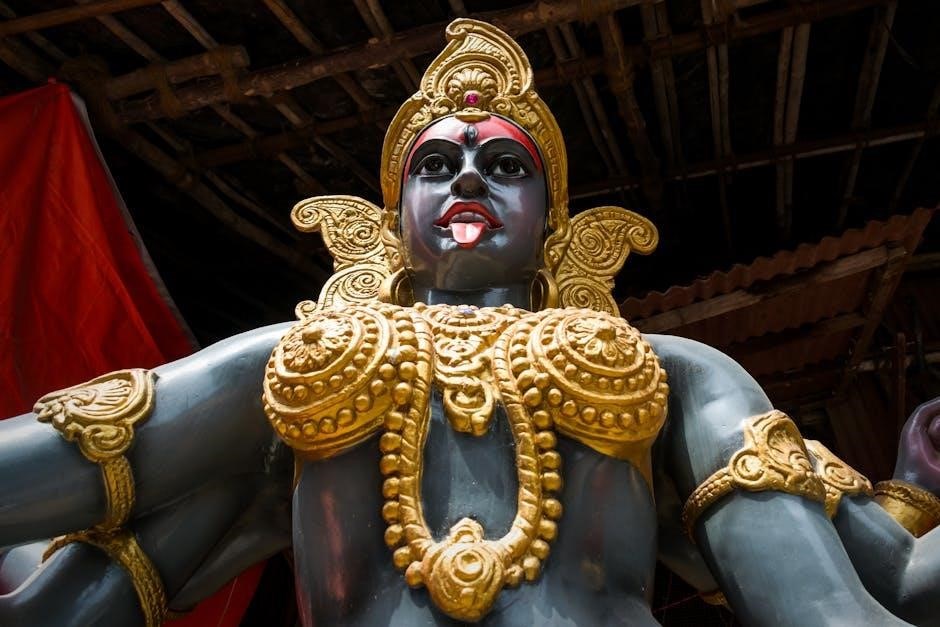
Telugu speakers often study both texts together‚ finding that knowledge of one illuminates the other‚ enhancing their spiritual practice and devotion․
Vedic Chanting Techniques
Effective recitation of the Sri Devi Khadgamala Stotram‚ particularly in Telugu‚ benefits greatly from understanding Vedic chanting techniques․ These include proper udatta (high pitch)‚ anudatta (low pitch)‚ and svarita (mid-pitch) pronunciation‚ crucial for activating the mantra’s power․
Seven types of Vedic chanting exist‚ influencing the stotram’s resonance․
Focus on clear articulation‚ rhythmic flow‚ and maintaining correct svara (intonation) is vital․ Online resources and guidance from experienced teachers can aid in mastering these techniques for a more profound spiritual experience․
Devi Worship Traditions
The Sri Devi Khadgamala Stotram is deeply rooted in Shakta traditions‚ a prominent branch of Hindu Devi worship․ These traditions emphasize the Divine Feminine‚ particularly Lalita Tripura Sundari‚ to whom the stotram is dedicated․
Practices often involve puja (ritual worship)‚ mantra japa (repetition)‚ and yagna (fire sacrifice)․
Telugu-speaking communities have unique local customs integrated with pan-Indian Shakta practices․ Accessing the stotram in Telugu PDF facilitates participation in these traditions‚ fostering a deeper connection with the Goddess and her potent energy․
Modern Relevance and Social Responsibility Investment (SRI)
Interestingly‚ the term “Sri” has evolved beyond its traditional spiritual connotations‚ now encompassing Socially Responsible Investment (SRI)․ While seemingly disparate‚ both reflect a focus on positive impact․
The accessibility of the Sri Devi Khadgamala Stotram in Telugu PDF format‚ mirroring the rise of SRI funds‚ demonstrates a modern desire for ethical and meaningful engagement․
This reflects a contemporary understanding of “Sri” as auspiciousness extending to societal well-being‚ alongside personal spiritual growth facilitated by devotional practices․
The Contemporary Understanding of ‘Sri’
The multifaceted meaning of ‘Sri’ extends beyond its traditional association with auspiciousness and Lakshmi Devi․ Modern interpretations‚ as seen in contexts like “Sri Lanka” and “Sacrum Romanum Imperium‚” demonstrate its broad historical usage․
However‚ its recent connection to Socially Responsible Investment (SRI) reveals a novel application – aligning ethical finance with positive societal impact․
Accessing the Sri Devi Khadgamala Stotram in Telugu PDF format‚ therefore‚ participates in a broader cultural trend of re-evaluating and expanding the significance of ‘Sri’ for contemporary life․
The Stotram’s Place in Modern Spirituality
The Sri Devi Khadgamala Stotram‚ readily available in Telugu PDF format‚ continues to resonate within contemporary spiritual practices․ Its accessibility through digital platforms like mobile apps and eBooks broadens its reach beyond traditional circles․
The stotram’s focus on the Divine Feminine‚ Lalita Tripura Sundari‚ aligns with a growing global emphasis on Shakti worship and balanced energies․
Furthermore‚ the availability of MP3 recordings by figures like Siddhaguru Sri Ramanananda Maharshi facilitates chanting and deeper meditative engagement‚ solidifying its place in modern devotional life․
Accessibility through Mobile Apps and eBooks
The Sri Devi Khadgamala Stotram in Telugu PDF format is increasingly accessible via digital avenues‚ notably through dedicated mobile applications and eBook platforms․ This democratization of access allows devotees to engage with the stotram regardless of geographical limitations or traditional learning barriers․
Stotranidhi‚ for example‚ offers Telugu eBooks‚ enhancing convenience․
These platforms often include transliteration‚ translations‚ and audio recitations‚ fostering a more immersive and comprehensive learning experience for practitioners seeking spiritual growth․