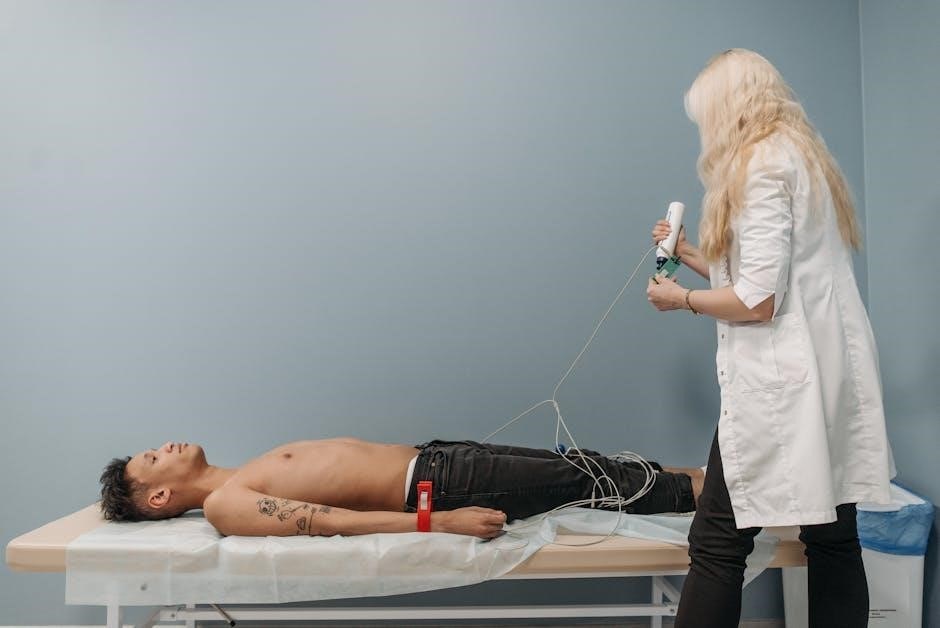
Seidel’s Guide to Physical Examination 10th Edition: A Comprehensive Overview
Seidel’s Guide, now in its 10th edition, offers comprehensive resources, including Evolve materials and test banks, aiding in interprofessional approaches to physical examination.
Seidel’s Guide to Physical Examination stands as a cornerstone resource for healthcare professionals, meticulously detailing the art and science of patient assessment. The 10th edition builds upon decades of established expertise, offering an interprofessional approach crucial in today’s collaborative healthcare landscape.
This guide isn’t merely a textbook; it’s a practical companion, enhanced by Evolve resources like test banks and study materials, facilitating deeper understanding and skill development. Its relevance extends to specialized areas, such as applications in pediatric care planning and even informing research into conditions like Duchenne muscular dystrophy.
Accessibility is further broadened through supplementary learning tools, including helpful YouTube videos demonstrating examination techniques. The 10th edition continues to empower clinicians with the knowledge and confidence needed for accurate and effective patient evaluations.
Historical Context and Evolution of the Guide
Seidel’s Guide has evolved significantly since its inception, mirroring advancements in medical knowledge and healthcare practices. While pinpointing the exact origins is challenging, the core principle of thorough patient assessment has remained constant. The guide’s journey reflects a shift towards interprofessional collaboration, increasingly emphasized in the 10th edition.
Early editions focused on foundational techniques, gradually incorporating new technologies and understandings of disease processes. The inclusion of Evolve resources and digital learning tools, like those found on YouTube, represents a modern evolution, catering to diverse learning styles.
Research areas, such as tracking life expectancy in conditions like Duchenne muscular dystrophy, demonstrate the guide’s enduring relevance and contribution to medical science. It continues to adapt, ensuring practitioners have access to the most current and effective examination methods.
The Interprofessional Approach in the 10th Edition
The 10th edition of Seidel’s Guide strongly emphasizes an interprofessional approach to patient care, recognizing that effective diagnosis and treatment require collaboration among various healthcare professionals. This edition moves beyond traditional physician-centric models, highlighting the vital roles of nurses, physician assistants, and other allied health personnel.

This collaborative spirit is reflected in the guide’s content, which encourages shared decision-making and communication. Evolve resources and supplemental materials, including test banks, support team-based learning and skill development.
The guide acknowledges that a holistic assessment benefits from diverse perspectives, ultimately leading to improved patient outcomes. This focus aligns with contemporary healthcare trends and prepares practitioners for real-world clinical settings.
Key Features and Updates in the 10th Edition
The 10th edition of Seidel’s Guide to Physical Examination boasts significant updates designed to enhance learning and clinical application. Expanded coverage of telehealth and virtual examination techniques reflects the evolving healthcare landscape. Enhanced visual aids, including new illustrations and photographs, improve understanding of key examination procedures.
Evolve resources are integrated throughout, offering video demonstrations, practice quizzes, and additional study materials. Updated content addresses current health concerns and incorporates the latest evidence-based practice guidelines.
The text maintains its clear, concise writing style while providing a more comprehensive and clinically relevant resource for students and practitioners alike. Test banks support effective assessment and knowledge retention.

Core Components of Physical Examination
Seidel’s 10th edition emphasizes patient history, vital signs, and general surveys as foundational elements, preparing clinicians for system-specific assessments.
Patient History Taking
Seidel’s Guide to Physical Examination, 10th Edition, underscores a thorough patient history as the cornerstone of effective clinical assessment. This involves meticulously gathering information regarding the chief complaint and a detailed history of present illness, establishing a clear timeline of symptoms.
Furthermore, the guide stresses the importance of documenting a comprehensive past medical history, including previous illnesses, surgeries, and hospitalizations, alongside a relevant family history to identify potential genetic predispositions. A complete social history, encompassing lifestyle factors and potential environmental exposures, is also crucial.
Finally, accurate recording of current medications – including dosages and frequency – completes this vital initial stage, providing a holistic understanding of the patient’s health status.
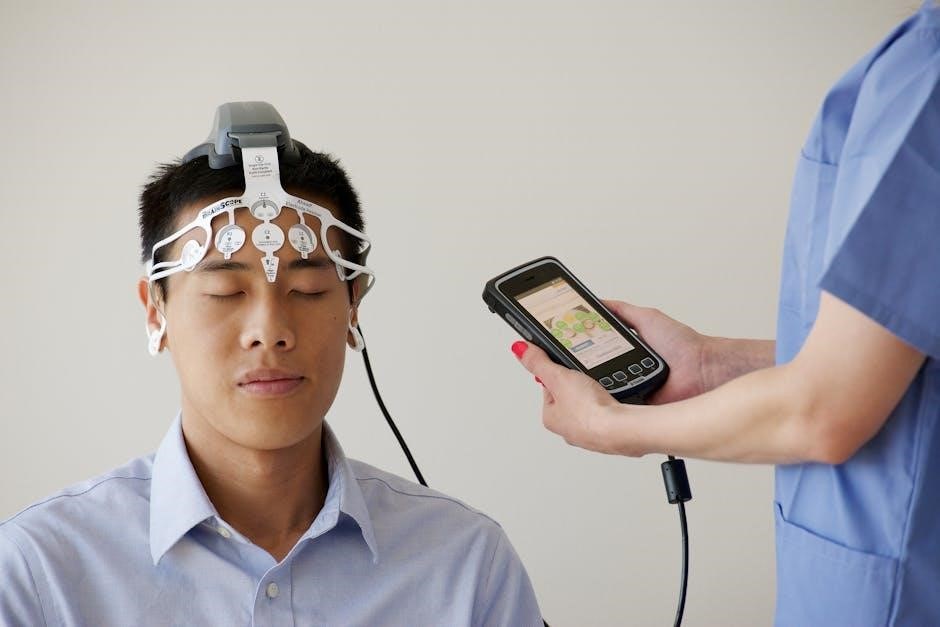
Chief Complaint and History of Present Illness
Seidel’s Guide to Physical Examination, 10th Edition, emphasizes initiating the patient interview with the chief complaint – the primary reason for seeking medical attention – documented in the patient’s own words. Following this, a detailed history of present illness (HPI) is crucial.
The HPI requires a chronological account of the complaint’s development, utilizing OLDCARTS (Onset, Location, Duration, Character, Aggravating/Alleviating factors, Radiation, Timing, Severity). This systematic approach ensures a comprehensive understanding of the symptom’s evolution.
The guide highlights the importance of open-ended questions to encourage detailed responses, avoiding leading questions that might bias the patient’s narrative. Accurate and thorough documentation of the HPI forms the foundation for accurate diagnosis and treatment planning.
Past Medical History and Family History
Seidel’s Guide to Physical Examination, 10th Edition, stresses the significance of a comprehensive past medical history (PMH). This includes childhood illnesses, chronic conditions, hospitalizations, surgeries, allergies, and current medications. Detailed documentation of each element is vital for identifying potential risk factors and contraindications.
Equally important is the family history, extending to first-degree relatives. The guide advises inquiring about conditions like heart disease, diabetes, cancer, and mental health disorders.
Specifically, noting the age of onset and cause of death in relatives provides valuable insights into genetic predispositions. A well-documented PMH and family history, as outlined in Seidel’s, contribute significantly to a holistic patient assessment.
Social History and Medications
Seidel’s Guide to Physical Examination, 10th Edition, emphasizes a thorough social history. This encompasses lifestyle factors like tobacco, alcohol, and drug use, as well as occupation, diet, exercise, and living situation. Understanding these aspects provides context to the patient’s overall health and potential risk behaviors.
A meticulous medication history is also crucial. This includes prescription drugs, over-the-counter medications, herbal supplements, and vitamins. Documenting dosage, frequency, and route of administration is essential.
Seidel’s highlights the importance of asking about adherence and any adverse effects experienced. Accurate medication reconciliation, alongside a detailed social history, supports informed clinical decision-making and patient-centered care.
Vital Signs Assessment
Seidel’s Guide to Physical Examination, 10th Edition, details a systematic approach to vital signs assessment. This includes accurate measurement of temperature, pulse, respiration, and blood pressure. The guide stresses the importance of standardized techniques and appropriate equipment for reliable data collection.
Furthermore, Seidel’s emphasizes comprehensive pain assessment. Utilizing validated pain scales – numerical, visual analog, or descriptive – allows for objective evaluation of pain intensity, location, and characteristics.
Understanding variations in normal ranges based on age, sex, and physiological state is crucial. Accurate vital sign documentation provides a baseline for monitoring changes and evaluating the effectiveness of interventions.
Temperature, Pulse, Respiration, and Blood Pressure
Seidel’s Guide to Physical Examination, 10th Edition, provides detailed protocols for measuring core body temperature – oral, tympanic, axillary, and rectal – highlighting accuracy considerations for each method. Assessing the pulse involves rate, rhythm, and amplitude, while respiration evaluation includes rate, depth, and character.
Blood pressure measurement, utilizing auscultation or oscillometry, requires proper cuff size and patient positioning. The guide emphasizes recognizing factors influencing these vital signs, such as activity, stress, and medications.
Documenting variations from normal ranges is critical, alongside noting any associated symptoms. Mastering these techniques, as detailed in Seidel’s, forms the foundation of a thorough physical assessment.
Pain Assessment – Utilizing Pain Scales
Seidel’s Guide to Physical Examination, 10th Edition, underscores the importance of comprehensive pain assessment, recognizing pain as a subjective experience. The guide details various pain scales, including numerical rating scales (0-10), visual analog scales (VAS), and faces pain scales – particularly useful for pediatric or cognitively impaired patients.
Effective assessment involves characterizing pain by location, quality, intensity, timing, and aggravating/alleviating factors. Seidel’s emphasizes the need to understand the patient’s pain perception and its impact on function.
Accurate documentation of pain assessment findings is crucial for guiding treatment and evaluating its effectiveness, aligning with interprofessional care approaches.
General Survey
Seidel’s Guide to Physical Examination, 10th Edition, highlights the general survey as the initial and continuous process of observation. This involves assessing the patient’s overall appearance, including hygiene, dress, and posture, providing crucial first impressions.

The guide details evaluating mental status – level of consciousness, orientation, mood, and affect – as integral components. Observing body language and speech patterns contributes to a holistic understanding.
Seidel’s emphasizes that the general survey isn’t merely a checklist but a dynamic assessment informing subsequent examination steps. It establishes a baseline and reveals potential health concerns, guiding focused investigation.
Observation of Physical Appearance
Seidel’s Guide to Physical Examination, 10th Edition, meticulously details observing a patient’s physical appearance as the cornerstone of the general survey. This begins with noting hygiene and grooming, offering insights into self-care practices.
The guide stresses assessing body build and stature, recognizing deviations from norms. Observing posture, gait, and any apparent physical distress are crucial. Noting skin color, lesions, and overall condition provides valuable diagnostic clues.
Seidel’s emphasizes a non-judgmental approach, recognizing cultural variations. Detailed observation, documented accurately, forms a foundational element for a comprehensive patient assessment, guiding further examination.
Assessment of Mental Status
Seidel’s Guide to Physical Examination, 10th Edition, highlights a systematic approach to mental status assessment, integral to the general survey. This involves evaluating appearance, behavior, speech, and emotional state, noting any inconsistencies.
Orientation to person, place, and time is key, alongside assessing attention span and memory. Seidel’s emphasizes observing thought processes – logical, coherent, or disorganized. Evaluating mood and affect, noting congruence with reported feelings, is crucial.
Cognitive function assessment, including simple calculations and recall, provides further insight. Documentation should be objective and descriptive, avoiding subjective interpretations. This assessment informs a holistic understanding of the patient’s overall well-being.

System-Specific Examination Techniques
Seidel’s 10th edition details focused examinations – neurological, cardiovascular, respiratory, and abdominal – utilizing techniques like auscultation, palpation, and inspection.
Neurological Examination
Seidel’s Guide to Physical Examination, 10th Edition, provides a systematic approach to neurological assessment. This crucial component begins with a detailed evaluation of cranial nerves, testing functions like vision, smell, and facial movement to identify potential deficits.
The guide emphasizes thorough motor and sensory function evaluation, assessing strength, coordination, reflexes, and sensation throughout the body. This includes observing gait and balance, and utilizing specific tests to pinpoint neurological impairments.
Understanding these techniques, as detailed within the text and supplemented by Evolve resources, is vital for accurate diagnosis and effective patient care. The 10th edition supports an interprofessional approach, ensuring comprehensive neurological assessments.
Assessment of Cranial Nerves
Seidel’s Guide to Physical Examination, 10th Edition, meticulously details the assessment of all twelve cranial nerves. This begins with olfactory nerve (I) testing for smell identification, followed by optic nerve (II) evaluation of visual acuity and fields. Oculomotor (III), trochlear (IV), and abducens (VI) nerves are assessed by examining eye movements and pupillary responses.
The guide further explains testing the trigeminal (V) nerve for facial sensation and jaw movement, facial (VII) nerve for facial expression, and vestibulocochlear (VIII) nerve for hearing and balance. Glossopharyngeal (IX) and vagus (X) nerve function is evaluated through swallowing and gag reflex assessment.
Finally, the accessory (XI) and hypoglossal (XII) nerves are tested for neck and tongue movement. Evolve resources complement this, providing detailed guidance for accurate neurological examination.
Motor and Sensory Function Evaluation

Seidel’s Guide to Physical Examination, 10th Edition, provides a systematic approach to evaluating motor and sensory functions. Motor assessment begins with observation of gait, posture, and muscle mass, progressing to testing muscle strength using a standardized scale. Coordination and balance are assessed through maneuvers like the Romberg test and finger-to-nose testing.
Sensory evaluation involves assessing light touch, pain, temperature, vibration, and proprioception. The guide emphasizes testing bilaterally and comparing findings to establish a baseline.
Detailed instructions are provided for utilizing appropriate tools and techniques. Evolve resources offer supplementary materials, including videos demonstrating proper testing procedures, ensuring accurate neurological assessment and aiding in identifying potential deficits.
Cardiovascular Examination
Seidel’s Guide to Physical Examination, 10th Edition, details a thorough cardiovascular assessment. This begins with inspecting the jugular venous pressure and assessing for visible pulsations. Palpation identifies the point of maximal impulse (PMI) and evaluates peripheral pulses – radial, brachial, femoral, popliteal, dorsalis pedis, and posterior tibial – noting their amplitude and rhythm.
Auscultation is crucial, utilizing the diaphragm and bell to discern normal heart sounds (S1 and S2) and identify potential murmurs, clicks, or rubs. The guide emphasizes auscultating in all auscultatory areas.
Evolve resources complement this, offering audio clips of normal and abnormal heart sounds, enhancing learning and diagnostic accuracy. Proper technique, as outlined in the text, is vital for a comprehensive evaluation.
Auscultation of Heart Sounds
Seidel’s Guide to Physical Examination, 10th Edition, meticulously details auscultation techniques. Utilizing both the diaphragm and bell of the stethoscope, clinicians systematically listen in five auscultatory areas: aortic, pulmonic, Erb’s point, tricuspid, and mitral. The diaphragm is best for high-pitched sounds, while the bell detects lower-frequency sounds.
The guide emphasizes identifying S1 (closure of mitral and tricuspid valves) and S2 (closure of aortic and pulmonic valves). Abnormal sounds, like murmurs, clicks, rubs, and gallops, are described with characteristics like timing, location, intensity, pitch, and quality.
Evolve resources provide audio examples of these sounds, aiding in differentiation. Accurate auscultation, as taught by Seidel’s, is fundamental for cardiovascular assessment.
Palpation and Peripheral Pulses
Seidel’s Guide to Physical Examination, 10th Edition, comprehensively covers palpation techniques for assessing the cardiovascular system. Palpation helps determine the point of maximal impulse (PMI), revealing ventricular activity. The guide details assessing for heaves, thrills, and pulsations.
Crucially, Seidel’s emphasizes evaluating peripheral pulses – radial, brachial, dorsalis pedis, and posterior tibial – grading them on a 0-4+ scale based on amplitude. Symmetry and presence/absence are vital observations.
The text highlights correlating pulse strength with perfusion and potential vascular issues. Evolve resources may offer visual aids demonstrating proper palpation technique. Mastering these skills, as outlined in Seidel’s, is essential for a thorough cardiovascular exam.
Respiratory Examination
Seidel’s Guide to Physical Examination, 10th Edition, provides a systematic approach to respiratory assessment. The examination begins with inspection, noting respiratory rate, rhythm, and effort, alongside chest wall symmetry. Palpation assesses for tactile fremitus – vibrations transmitted through the chest wall.
Percussion helps delineate lung boundaries and identify areas of density. Auscultation, a core component detailed in Seidel’s, involves listening for breath sounds – vesicular, bronchial, bronchovesicular – and identifying adventitious sounds like crackles, wheezes, and rhonchi.
Evolve resources likely supplement these techniques with audio examples. Accurate respiratory assessment, as guided by Seidel’s, is crucial for diagnosing various pulmonary conditions.
Inspection, Palpation, Percussion, and Auscultation of the Lungs
Seidel’s Guide to Physical Examination, 10th Edition, meticulously details the four key techniques for lung assessment. Inspection begins with observing respiratory effort, chest expansion, and any visible abnormalities. Palpation assesses tactile fremitus, revealing consolidation or pleural effusion.
Percussion maps lung resonance, identifying areas of dullness suggesting fluid or masses. Auscultation, a cornerstone detailed within Seidel’s, involves systematically listening to breath sounds across lung fields.
Normal vesicular sounds should be identified, alongside potential adventitious sounds like wheezes, crackles, or rhonchi. Evolve resources may offer audio examples. Mastering these techniques, as outlined in Seidel’s, is vital for accurate respiratory diagnosis.
Abdominal Examination
Seidel’s Guide to Physical Examination, 10th Edition, provides a structured approach to abdominal assessment, beginning with inspection for contour, symmetry, and visible pulsations. Auscultation follows, listening for bowel sounds in all four quadrants to detect motility.

Percussion assesses tympany and dullness, differentiating between gas-filled and fluid-filled areas. Palpation, detailed in Seidel’s, includes light and deep palpation to identify tenderness, masses, or organomegaly.
The guide emphasizes systematic exploration, noting any guarding or rebound tenderness. Utilizing Evolve resources can enhance understanding of normal and abnormal findings. Accurate abdominal examination, as taught by Seidel’s, is crucial for diagnosing diverse conditions.
Inspection, Auscultation, Percussion, and Palpation of the Abdomen
Seidel’s Guide to Physical Examination, 10th Edition, details a four-step abdominal assessment. Inspection begins with observing contour, symmetry, and skin characteristics. Auscultation follows, systematically listening in all quadrants for bowel sounds – noting frequency and character.
Percussion differentiates between tympanic (gas-filled) and dull (fluid or solid) areas, mapping organ size and detecting ascites. Palpation, light then deep, identifies tenderness, masses, and organomegaly, as outlined in Seidel’s.
The guide stresses a logical sequence; auscultation before percussion and palpation to avoid altering bowel sounds. Evolve resources supplement learning, while mastering these techniques is vital for accurate diagnosis.
Advanced Examination Techniques & Resources
Seidel’s 10th edition is enhanced by Evolve resources, test banks, and YouTube tutorials, supporting comprehensive learning and skill development in physical examination.
Evolve Resources for Seidel’s Guide
Seidel’s Guide to Physical Examination, 10th Edition, is powerfully complemented by a wealth of resources available through Evolve. These digital tools are designed to enhance both teaching and learning experiences. Students benefit from access to supplementary materials that reinforce key concepts and techniques presented in the textbook.
Specifically, Evolve provides access to additional practice exercises, case studies, and review questions, aiding in the mastery of physical examination skills. Instructors can leverage these resources to create engaging lectures and assessments. The Evolve platform also supports the integration of multimedia content, including videos demonstrating proper examination techniques, further solidifying understanding and practical application.
Furthermore, the Evolve resources align directly with the interprofessional approach emphasized in the 10th edition, promoting collaborative healthcare practices.
Utilizing Test Banks and Study Materials
Effective learning with Seidel’s Guide to Physical Examination, 10th Edition, is significantly enhanced through dedicated test banks and supplementary study materials. These resources are crucial for students aiming to solidify their understanding of complex concepts and refine their clinical skills.
Test banks offer a diverse range of question types – multiple-choice, case-based, and application-focused – mirroring the challenges encountered in real-world clinical settings. Utilizing these materials allows students to self-assess their knowledge, identify areas needing further review, and prepare effectively for examinations.
Alongside test banks, various study guides and practice exercises are available, often integrated with Evolve resources, providing a comprehensive learning ecosystem. Consistent engagement with these tools fosters critical thinking and promotes confident application of physical examination techniques.
Applications in Pediatric Care Planning
Seidel’s Guide to Physical Examination, 10th Edition, provides a foundational framework for comprehensive pediatric care planning. Adapting examination techniques to the unique developmental stages and physiological characteristics of children is paramount, and this guide facilitates that process.
The guide emphasizes age-appropriate communication strategies and techniques for minimizing patient anxiety during examinations. Understanding normal variations in pediatric vital signs and growth patterns, as detailed within the text, is crucial for accurate assessment.
Furthermore, Seidel’s supports the identification of potential developmental delays or abnormalities, enabling timely intervention and personalized care plans. Integrating the guide’s principles into practice ensures holistic and effective pediatric healthcare delivery.
Relevance to Muscular Dystrophy Research (Duchenne)
Seidel’s Guide to Physical Examination, 10th Edition, offers valuable tools for monitoring disease progression in Duchenne Muscular Dystrophy (DMD) research. Detailed neurological assessments, including motor function evaluation and cranial nerve testing, are essential for tracking the impact of the disease.
The guide’s systematic approach to examining muscle strength and reflexes aids in quantifying functional decline over time. Careful documentation of these findings, guided by Seidel’s methodology, contributes to robust research data.
Longitudinal studies, like the one conducted at AFM Yolaine de Kepper centre (1981-2011), benefit from standardized examination techniques, ensuring data comparability and reliable insights into DMD’s evolution.
YouTube Resources for Learning Physical Examination
Supplementing Seidel’s Guide to Physical Examination, 10th Edition, with YouTube resources provides dynamic learning opportunities. Numerous channels offer visual demonstrations of examination techniques, enhancing comprehension beyond static textbook images.
YouTube’s video library features helpful tips, feature overviews, and step-by-step tutorials, catering to diverse learning styles. Students can observe experienced clinicians performing assessments, improving their practical skills.
Accessing these resources allows for repeated viewing and reinforcement of key concepts. While utilizing YouTube, it’s crucial to verify the source’s credibility and align content with Seidel’s established methodologies.
YouTube also provides information on reported technical issues and offers a downloadable application for mobile devices.