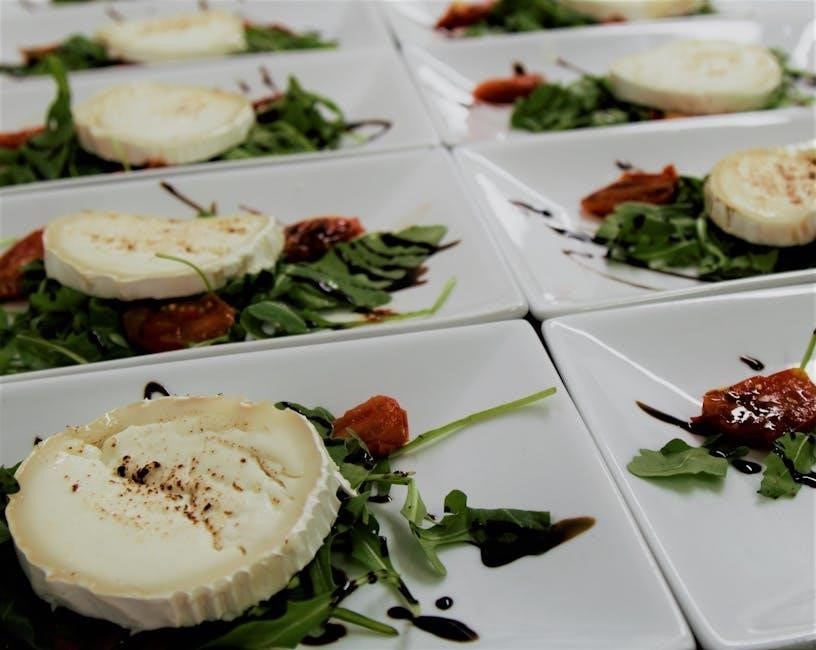
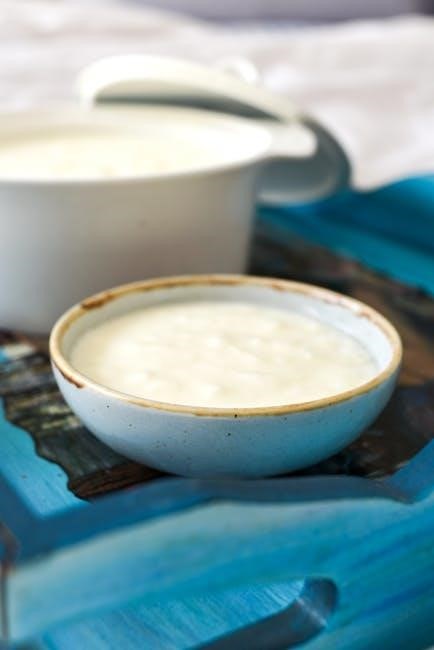
Discover a 7-day sample menu featuring natural coconut or almond yogurt with nuts for breakfast‚ and blue fish for lunch‚ as a starting point!
What is Inflammation and Why Fight It?
Inflammation is the body’s natural response to injury or infection‚ but chronic inflammation underlies many serious illnesses. It’s a silent driver of conditions like heart disease‚ diabetes‚ arthritis‚ and even certain cancers. An anti-inflammatory diet isn’t about eliminating inflammation entirely—that’s impossible and undesirable—but rather about modulating it to a healthy level.
Focusing on foods that actively combat inflammation‚ like those highlighted in a sample 7-day menu‚ can significantly improve overall health and well-being. This dietary approach emphasizes whole‚ unprocessed foods rich in antioxidants and healthy fats‚ offering a proactive strategy against chronic disease.
The Role of Diet in Reducing Inflammation
Diet plays a pivotal role in managing inflammation‚ acting as either a promoter or suppressor. A diet rich in processed foods‚ sugar‚ and unhealthy fats fuels inflammation‚ while one centered around whole‚ nutrient-dense foods can actively reduce it. The 7-day sample menu exemplifies this principle‚ prioritizing ingredients known for their anti-inflammatory properties.
Specifically‚ incorporating foods like blue fish‚ nuts‚ and natural yogurt—featured in the example menu—provides essential fatty acids and antioxidants. These compounds combat oxidative stress and modulate inflammatory pathways‚ offering a powerful dietary intervention for improved health and disease prevention.
Core Principles of the Anti-Inflammatory Diet
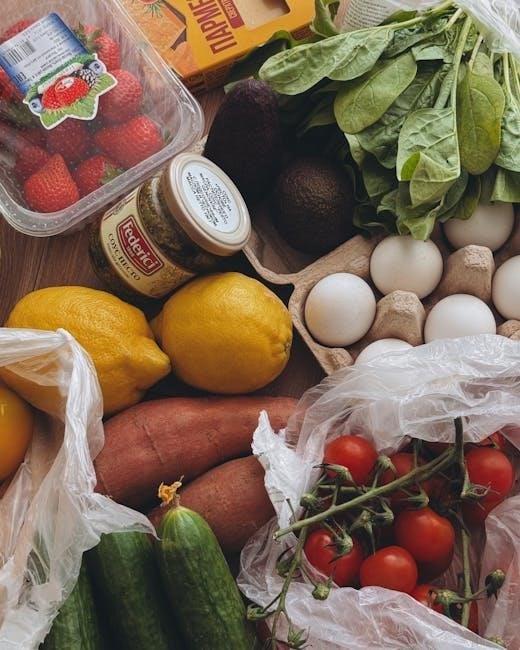
Embrace whole‚ unprocessed foods‚ prioritize healthy fats‚ and maximize antioxidant intake—key elements reflected in a sample 7-day menu for optimal wellness!
Focus on Whole‚ Unprocessed Foods
Prioritizing whole‚ unprocessed foods forms the bedrock of an anti-inflammatory approach. This means centering your diet around fruits‚ vegetables‚ lean proteins‚ and whole grains in their natural state. A sample 7-day menu exemplifies this‚ showcasing breakfasts like yogurt with nuts and lunches featuring blue fish.
Avoid refined sugars‚ processed meats‚ and anything with artificial additives. These contribute to inflammation. Instead‚ opt for foods rich in nutrients‚ supporting your body’s natural defenses. This dietary shift‚ as illustrated in a sample menu‚ is crucial for long-term health and well-being‚ reducing inflammatory markers and promoting vitality.
Prioritizing Healthy Fats
Embrace healthy fats as a cornerstone of an anti-inflammatory diet. Unlike processed fats‚ these support cellular health and reduce inflammation. A sample 7-day menu highlights the inclusion of fats from sources like avocados and nuts‚ complementing meals with nutritional benefits.
Focus on monounsaturated and omega-3 fatty acids‚ found abundantly in olive oil and fatty fish. These fats actively combat inflammation within the body. Limiting omega-6 intake is also key. Prioritizing these fats‚ as demonstrated in a sample menu‚ is vital for optimizing health and minimizing inflammatory responses‚ fostering overall wellness.
The Importance of Antioxidants and Phytonutrients
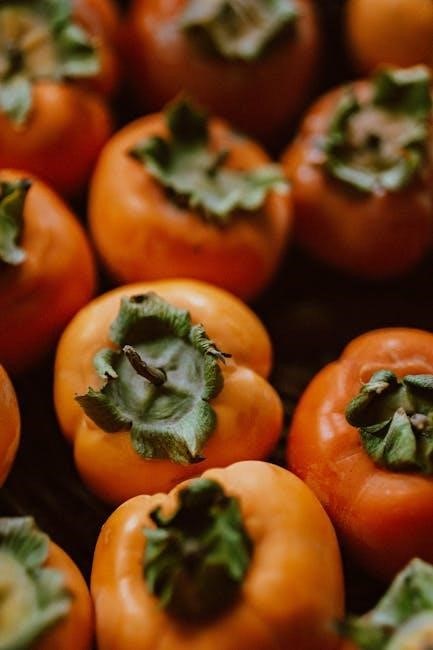
Antioxidants and phytonutrients are crucial allies in the fight against inflammation. These compounds‚ abundant in fruits and vegetables‚ neutralize free radicals‚ protecting cells from damage. A 7-day sample menu emphasizes incorporating berries‚ cherries‚ and citrus fruits‚ all rich in these beneficial substances.
Leafy greens‚ broccoli‚ and bell peppers further contribute to antioxidant intake. Phytonutrients offer unique anti-inflammatory properties‚ bolstering the body’s natural defenses. Prioritizing these nutrient-dense foods‚ as illustrated in a sample meal plan‚ is essential for reducing inflammation and promoting long-term health and vitality.

Foods to Embrace on an Anti-Inflammatory Diet
Prioritize fatty fish like salmon‚ tuna‚ and mackerel‚ alongside berries‚ leafy greens‚ olive oil‚ and avocados for optimal anti-inflammatory benefits!
Fatty Fish: Salmon‚ Tuna‚ and Mackerel
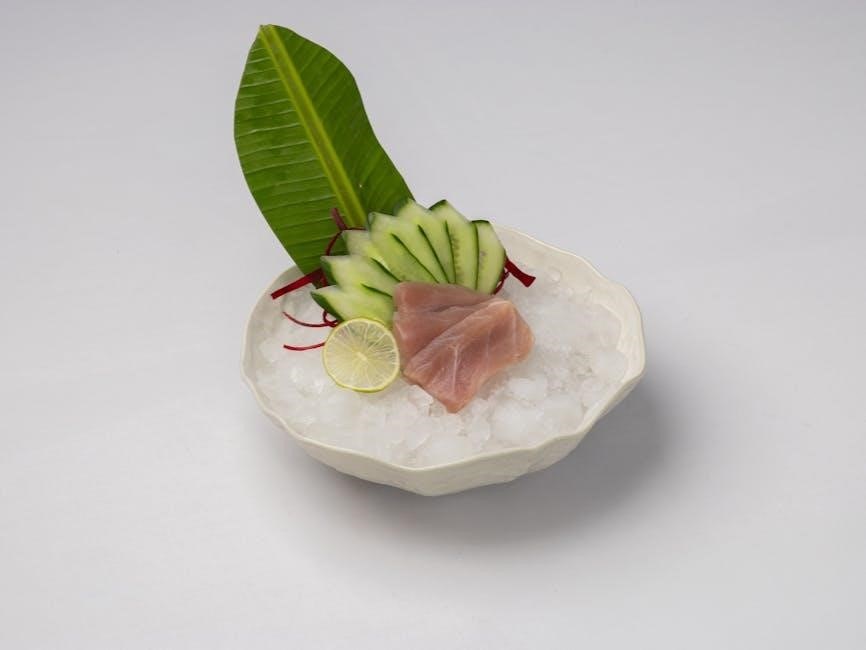
Embrace the power of omega-3 fatty acids found abundantly in fatty fish like salmon‚ tuna‚ and mackerel. These incredible nutrients are pivotal in combating inflammation within the body‚ offering substantial health advantages. Regularly incorporating these fish into your diet can significantly reduce markers of inflammation‚ promoting overall wellness.
Aim for at least two servings per week‚ preparing them through baking‚ grilling‚ or steaming to preserve their beneficial oils. Consider wild-caught varieties whenever possible‚ as they generally boast a superior omega-3 profile. These flavorful and versatile options are a cornerstone of any effective anti-inflammatory dietary approach.
Fruits: Berries‚ Cherries‚ and Citrus Fruits
Indulge in the vibrant colors and potent antioxidants of berries‚ cherries‚ and citrus fruits! These natural powerhouses are packed with vitamins‚ minerals‚ and phytonutrients that actively fight inflammation. Berries‚ like blueberries and strawberries‚ are particularly rich in anthocyanins‚ known for their anti-inflammatory properties.
Cherries‚ especially tart cherries‚ offer unique benefits‚ while citrus fruits provide a boost of Vitamin C. Enjoy these fruits as snacks‚ add them to smoothies‚ or incorporate them into your breakfast. Prioritize whole fruits over juices to maximize fiber intake and minimize sugar consumption for optimal health benefits.

Vegetables: Leafy Greens‚ Broccoli‚ and Bell Peppers
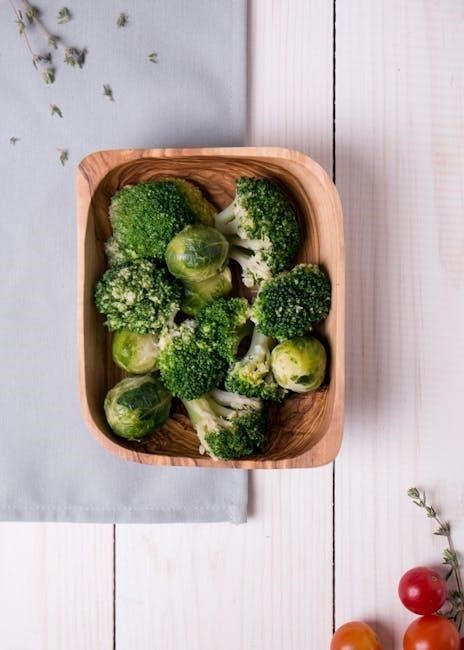
Embrace a rainbow of vegetables‚ focusing on leafy greens like spinach and kale‚ alongside broccoli and bell peppers! These are nutritional superstars‚ brimming with antioxidants‚ vitamins‚ and fiber – all crucial for combating inflammation. Leafy greens provide Vitamin K and folate‚ while broccoli is rich in sulforaphane‚ a potent anti-inflammatory compound.
Bell peppers‚ particularly red and yellow varieties‚ are excellent sources of Vitamin C and carotenoids. Incorporate these vegetables into salads‚ stir-fries‚ or enjoy them as steamed side dishes. Prioritizing a variety ensures a broad spectrum of nutrients for optimal anti-inflammatory effects.
Healthy Fats: Olive Oil‚ Avocado‚ and Nuts
Prioritize healthy fats as cornerstones of an anti-inflammatory diet! Extra virgin olive oil‚ rich in oleocanthal‚ mimics the effects of ibuprofen‚ offering natural pain relief. Avocados deliver monounsaturated fats‚ potassium‚ and fiber‚ supporting heart health and reducing inflammation. A variety of nuts – almonds‚ walnuts‚ and pecans – provide omega-3 fatty acids and antioxidants.
Incorporate these fats liberally into your meals: drizzle olive oil on salads‚ spread avocado on whole-grain toast‚ and enjoy a handful of nuts as a snack. Remember moderation is key‚ even with healthy fats‚ to maintain a balanced caloric intake.
Foods to Limit or Avoid
Minimize processed foods‚ sugary drinks‚ red and processed meats‚ refined carbs like white bread‚ and excessive omega-6 fats for optimal results!
Processed Foods and Sugary Drinks
Highly processed foods are significant contributors to inflammation within the body‚ largely due to their refined ingredients and additives. These often include unhealthy fats‚ excessive sugars‚ and artificial components that trigger an inflammatory response. Sugary drinks‚ such as sodas‚ juices with added sugar‚ and sweetened beverages‚ deliver a rapid spike in blood sugar‚ promoting inflammation.
Eliminating or drastically reducing these items is crucial for an anti-inflammatory diet. Focus on whole‚ unprocessed alternatives like fresh fruits‚ vegetables‚ and water to nourish your body and minimize inflammatory triggers. Prioritizing natural sources of sweetness and hydration supports overall well-being.
Red Meat and Processed Meats
Red meat‚ particularly when consumed in large quantities‚ can contribute to inflammation due to its high content of saturated fats and a compound called Neu5Gc. Processed meats‚ like bacon‚ sausage‚ and deli meats‚ are even more problematic. They often contain advanced glycation end products (AGEs) formed during processing‚ which are potent inflammatory triggers.
Limiting intake of these meats is a key aspect of an anti-inflammatory diet. Opt for leaner protein sources like fatty fish‚ poultry‚ or plant-based proteins such as beans and lentils. Reducing consumption helps minimize inflammatory markers and supports overall health;
Refined Carbohydrates: White Bread and Pasta
Refined carbohydrates‚ including white bread‚ pasta‚ and pastries‚ undergo processing that strips away beneficial fiber and nutrients. This results in a rapid spike in blood sugar‚ triggering an inflammatory response within the body. These foods have a high glycemic index‚ contributing to chronic inflammation over time.
Prioritize complex carbohydrates instead. Choose whole grains like quinoa‚ brown rice‚ and oats‚ which are digested slowly and provide sustained energy without the inflammatory surge. Swapping refined carbs for whole‚ unprocessed alternatives is crucial for an effective anti-inflammatory diet.
Trans Fats and Excessive Omega-6 Fatty Acids
Trans fats‚ commonly found in processed foods and fried items‚ are notorious for promoting inflammation. They disrupt the balance of fatty acids in the body‚ exacerbating inflammatory pathways. Similarly‚ an overabundance of omega-6 fatty acids‚ relative to omega-3s‚ can contribute to inflammation.
Focus on increasing omega-3 intake through fatty fish‚ flaxseeds‚ and chia seeds. Minimize processed foods and limit vegetable oils high in omega-6s‚ like corn and soybean oil. Maintaining a healthy omega-6 to omega-3 ratio is vital for reducing inflammation.
7-Day Anti-Inflammatory Meal Plan (Example)
Explore a week-long guide with daily menus‚ emphasizing anti-inflammatory foods like fish‚ fruits‚ and healthy fats for optimal wellness!
Day 1: Sample Menu
Begin your anti-inflammatory journey with a nourishing day! Breakfast features natural coconut or almond yogurt‚ generously topped with a mix of walnuts and blueberries – a powerful antioxidant boost. For lunch‚ savor a baked salmon fillet accompanied by a vibrant mixed green salad dressed with olive oil and lemon juice.
Dinner consists of a flavorful turmeric-infused chicken stir-fry with broccoli and bell peppers‚ served alongside a small portion of quinoa. Snacks include a handful of almonds and a small serving of cherries. Hydrate throughout the day with water and herbal teas‚ avoiding sugary drinks. This menu prioritizes whole‚ unprocessed foods to minimize inflammation.
Day 2: Sample Menu
Continue reducing inflammation with today’s carefully planned meals! Start with oatmeal prepared with almond milk‚ topped with sliced bananas and a sprinkle of chia seeds for sustained energy. Lunch features a tuna salad (made with olive oil mayo) on a bed of spinach‚ accompanied by a side of sliced cucumbers.
Dinner includes baked cod with roasted asparagus and sweet potatoes. Snacks consist of a small avocado and a handful of mixed berries. Remember to drink plenty of water throughout the day. This menu emphasizes healthy fats and antioxidant-rich foods‚ supporting your body’s natural healing processes.
Day 3: Sample Menu
Embrace another day of nourishing your body with anti-inflammatory foods! Begin with a vibrant smoothie blending spinach‚ berries‚ almond milk‚ and a tablespoon of flaxseed. For lunch‚ enjoy a large salad with grilled salmon‚ mixed greens‚ bell peppers‚ and a lemon-olive oil dressing.
Dinner consists of a turkey stir-fry with broccoli‚ carrots‚ and brown rice‚ seasoned with turmeric and ginger. Snack on a small portion of walnuts and a few orange slices. Prioritize hydration by drinking water consistently. This menu provides essential nutrients and supports optimal health.
Day 4: Sample Menu
Continue your anti-inflammatory journey with a delightful oatmeal breakfast‚ topped with blueberries and a sprinkle of chia seeds. For lunch‚ savor a tuna salad (made with olive oil mayo) on whole-grain crackers alongside a side of sliced cucumbers.
Dinner features baked cod with roasted asparagus and quinoa‚ seasoned with herbs like rosemary and thyme. A mid-afternoon snack could be a handful of almonds and a small apple. Remember to drink plenty of water throughout the day to stay hydrated and support your body’s natural healing processes.
Day 5: Sample Menu
Start your day with a vibrant smoothie – blend spinach‚ banana‚ berries‚ and almond milk for a nutrient-packed breakfast. Lunch consists of a large salad with grilled salmon‚ mixed greens‚ avocado‚ and a lemon-olive oil dressing.
For dinner‚ enjoy a turkey and vegetable stir-fry using coconut aminos instead of soy sauce‚ served over brown rice. A small snack of cherries can satisfy sweet cravings. Prioritize hydration by drinking herbal teas or infused water throughout the day‚ aiding digestion and reducing inflammation.
Day 6: Sample Menu
Begin with oatmeal prepared with almond milk‚ topped with blueberries and a sprinkle of walnuts for a fiber-rich breakfast. For lunch‚ savor a tuna salad (made with avocado instead of mayonnaise) on a bed of leafy greens.
Dinner features baked cod with roasted broccoli and sweet potatoes‚ seasoned with turmeric and black pepper. A mid-afternoon snack of a small handful of almonds provides healthy fats. Remember to drink plenty of water throughout the day to support overall well-being and reduce inflammation.
Day 7: Sample Menu
Start your final day with a smoothie blending spinach‚ banana‚ berries‚ and almond milk – a nutrient powerhouse! Lunch consists of a large salad with grilled salmon‚ mixed greens‚ avocado‚ and a lemon-olive oil dressing.
For dinner‚ enjoy a vegetable stir-fry with shrimp‚ using olive oil and anti-inflammatory spices like ginger and garlic; A small portion of cherries makes a delightful dessert. Continue prioritizing hydration with water throughout the day‚ solidifying your anti-inflammatory journey!
Anti-Inflammatory Diet Recipes
Explore delicious options like smoothies‚ oatmeal for breakfast‚ vibrant salads and soothing soups for lunch‚ and flavorful fish with vegetables for dinner!
Breakfast Recipes: Smoothie and Oatmeal Ideas
Start your day with inflammation-fighting breakfasts! Consider a vibrant berry smoothie – blend mixed berries (strawberries‚ blueberries‚ raspberries) with spinach‚ a banana‚ almond milk‚ and a tablespoon of chia seeds for added omega-3s. Alternatively‚ prepare a comforting bowl of oatmeal using rolled oats‚ cooked with water or almond milk.
Enhance the oatmeal with a sprinkle of cinnamon (known for its anti-inflammatory properties)‚ a handful of walnuts‚ and a drizzle of honey or maple syrup. For extra flavor and nutrients‚ add sliced banana or a few more berries. These breakfasts are quick‚ easy‚ and packed with goodness to kickstart your anti-inflammatory journey!
Lunch Recipes: Salad and Soup Options
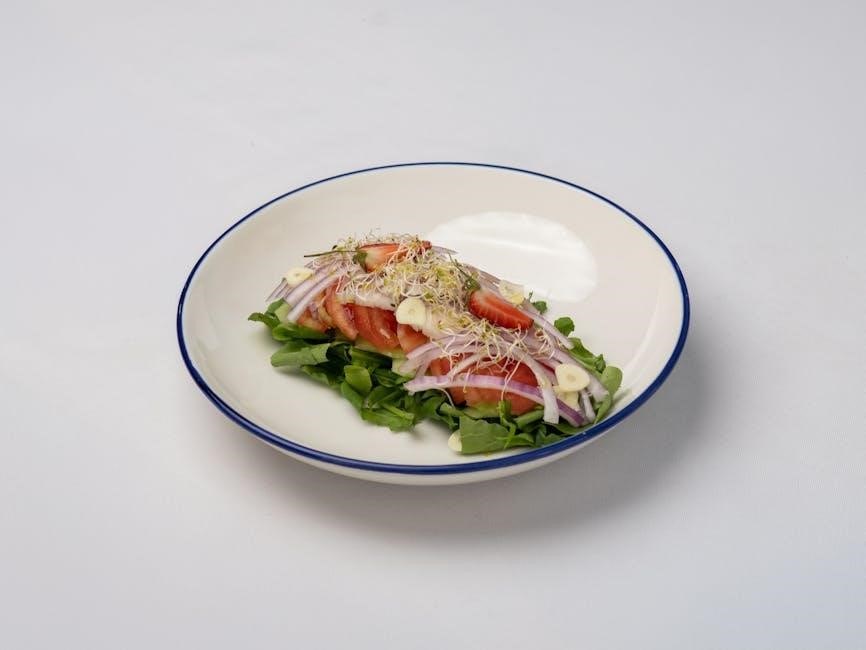
Fuel your afternoons with light yet satisfying anti-inflammatory lunches. A large salad brimming with leafy greens (spinach‚ kale‚ romaine) is a fantastic choice. Add grilled salmon or tuna for protein and healthy fats‚ alongside colorful vegetables like bell peppers‚ cucumbers‚ and cherry tomatoes. Dress it with a simple olive oil and lemon juice vinaigrette.
Alternatively‚ enjoy a warming vegetable soup. Focus on ingredients like broccoli‚ carrots‚ and celery‚ simmered in a broth with turmeric and ginger – both potent anti-inflammatory spices. Consider adding lentils or chickpeas for extra protein and fiber. These options provide essential nutrients without weighing you down.
Dinner Recipes: Fish and Vegetable Dishes
Conclude your day with nourishing dinners centered around fatty fish and vibrant vegetables. Baked salmon with roasted broccoli and sweet potatoes is a simple yet powerful meal. The salmon provides omega-3 fatty acids‚ while broccoli and sweet potatoes deliver antioxidants and fiber.
Another excellent option is tuna steak served with a large side of sautéed spinach and bell peppers. Season with herbs like rosemary and thyme for added flavor and anti-inflammatory benefits. Prioritize cooking methods like baking‚ grilling‚ or steaming to preserve nutrients and avoid adding unhealthy fats.
Tips for Success with the Anti-Inflammatory Diet
Plan meals ahead‚ stay hydrated by drinking plenty of water‚ and attentively listen to your body’s signals for optimal results!
Meal Planning and Preparation
Effective meal planning is crucial for adhering to an anti-inflammatory diet. Begin by dedicating time each week to outline your meals‚ incorporating the recommended foods – fatty fish‚ berries‚ leafy greens‚ and healthy fats. Preparing ingredients in advance‚ such as chopping vegetables or pre-portioning snacks‚ significantly reduces cooking time during busy weekdays.
Consider batch cooking larger quantities of grains or proteins to use in multiple meals. Utilizing a downloadable PDF menu as a guide can streamline the process‚ offering recipe ideas and shopping lists. Remember to prioritize whole‚ unprocessed foods and minimize reliance on convenience items. Consistent preparation fosters success!
Hydration and its Importance
Adequate hydration is paramount when following an anti-inflammatory diet‚ supporting overall health and optimizing bodily functions. Water aids in flushing out toxins‚ reducing inflammation‚ and facilitating nutrient absorption. Aim for at least eight glasses of water daily‚ and consider incorporating herbal teas like ginger or turmeric‚ known for their anti-inflammatory properties.
Beyond water‚ hydrating fruits and vegetables‚ such as cucumbers and watermelon‚ contribute to your fluid intake. A well-planned PDF menu can remind you to prioritize hydration alongside dietary choices. Avoid sugary drinks‚ which can exacerbate inflammation. Staying hydrated is a simple yet powerful step towards wellness!
Listening to Your Body
An anti-inflammatory diet isn’t one-size-fits-all; individual responses vary. Pay close attention to how different foods make you feel. A detailed PDF menu can serve as a guide‚ but adjust it based on your body’s signals. Note any improvements in energy levels‚ digestion‚ or joint pain.
If a particular food consistently causes discomfort‚ even if considered “anti-inflammatory‚” eliminate it and observe the effects. Prioritize mindful eating‚ savoring each bite and recognizing fullness cues. Your body is the ultimate guide; a flexible PDF menu supports personalized wellness!