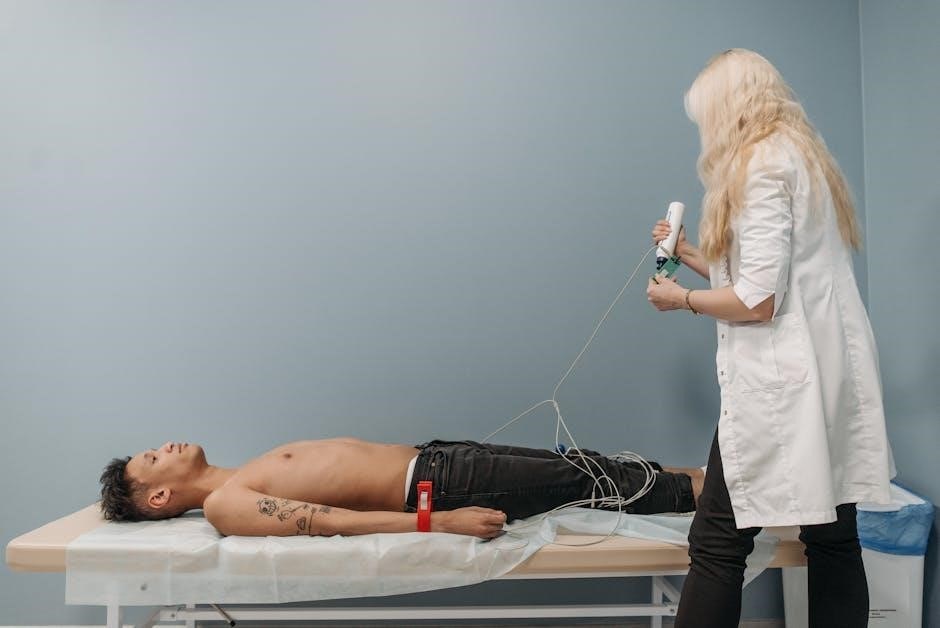
A well-defined PTSD treatment plan, incorporating clear goals and objectives, is crucial for recovery; it fosters motivation and enhances self-confidence, guiding the therapeutic journey.
Effective plans address symptom management, self-esteem, exposure, emotion regulation, and relationship improvement, tailoring interventions to individual needs and promoting lasting well-being.
Understanding the Need for a Structured Plan

A structured PTSD treatment plan isn’t merely a formality; it’s the bedrock of effective healing. Without a roadmap, therapy can feel aimless, hindering progress and potentially prolonging suffering. Goals provide direction, offering a tangible sense of purpose and empowering individuals to actively participate in their recovery.
Objectives break down these larger goals into manageable steps, fostering a sense of accomplishment as each milestone is reached. This structured approach enhances motivation and commitment, crucial elements in overcoming the challenges of PTSD. A clear plan also facilitates consistent monitoring of progress, allowing for necessary adjustments and ensuring the treatment remains aligned with evolving needs.
Furthermore, a well-defined plan promotes collaboration between the therapist and client, building trust and strengthening the therapeutic alliance. It provides a framework for open communication and shared decision-making, ultimately maximizing the potential for positive outcomes.
The Role of Goals and Objectives
Goals in a PTSD treatment plan represent the overarching desired outcomes – what the individual hopes to achieve through therapy, such as reduced anxiety or improved relationships. They provide a broad vision for recovery, addressing core areas impacted by trauma. Objectives, however, are the specific, measurable, achievable, relevant, and time-bound (SMART) steps taken to reach those goals.
For example, a goal might be to “improve emotional regulation.” An objective supporting this could be “practice a grounding technique daily for one week.” Objectives translate abstract goals into concrete actions, fostering a sense of control and progress. They also allow for objective assessment of treatment effectiveness, using tools like the PCL-5 to track symptom reduction.
Ultimately, well-defined goals and objectives enhance self-confidence and empower individuals to actively participate in their healing journey.

Phase 1: Establishing Safety and Stability
This initial phase prioritizes creating a secure environment, reducing immediate distress, and developing essential coping mechanisms for managing overwhelming emotions and sensations.
Goal: Creating a Secure Environment
The primary goal in this phase centers on establishing a sense of safety and stability for the client, recognizing that trauma fundamentally disrupts this core need. This involves collaboratively building a therapeutic alliance founded on trust and empathy, where the client feels understood and supported without judgment.
Specifically, this means addressing any immediate threats to safety, such as ongoing abuse or unstable living situations. It also entails psychoeducation about PTSD, normalizing reactions to trauma, and empowering the client with knowledge about their symptoms. Furthermore, the focus is on developing practical skills for grounding and self-soothing, enabling the client to manage overwhelming emotions and regain a sense of control over their internal experience.
Ultimately, a secure environment is the foundation upon which further trauma processing can occur, fostering a sense of hope and possibility for healing.
Objective 1: Reducing Immediate Distress
This objective focuses on alleviating acute symptoms that significantly impair daily functioning, such as hyperarousal, anxiety, and panic attacks. The client will learn and consistently practice techniques for managing these intense emotional and physiological responses. Specifically, this includes implementing grounding exercises – focusing on the present moment through sensory awareness – to interrupt cycles of anxiety.
Additionally, the plan incorporates relaxation techniques like deep breathing and progressive muscle relaxation to calm the nervous system. A measurable goal is to achieve a 50% reduction in PCL-5 scores within three months, indicating decreased symptom severity. Reducing nightmares, aiming for a decrease from two to one per week within six weeks, is also key.
Success is defined by the client’s increased ability to self-regulate and navigate triggering situations with greater resilience.
Objective 2: Developing Coping Mechanisms
This objective centers on equipping the client with a robust toolkit of strategies to manage triggers and prevent escalation of distress. The client will identify personal stressors and develop proactive coping skills tailored to their specific needs. This includes cognitive restructuring – challenging negative thought patterns – and behavioral activation, re-engaging in meaningful activities.
Furthermore, the plan emphasizes building self-esteem and fostering a sense of self-worth through positive self-talk and accomplishment-based activities. Integrating at least three self-care practices into their weekly routine will promote overall well-being. The goal is to enhance emotional regulation and reduce symptoms of hyperarousal, like irritability and sleep disturbances.
Progress will be measured by the client’s ability to independently utilize these mechanisms in challenging situations.

Phase 2: Processing the Trauma
This phase focuses on addressing trauma-related memories and emotions, utilizing techniques like trauma narrative development and carefully implemented exposure therapy for healing.
Goal: Addressing Trauma-Related Memories and Emotions
The primary goal during this phase centers on directly confronting and processing the distressing memories, emotions, and associated beliefs stemming from the traumatic event. This involves creating a safe therapeutic space where the client can explore these experiences without feeling overwhelmed or re-traumatized.
Successfully achieving this goal requires a collaborative approach, carefully pacing the processing work to match the client’s capacity. It’s about moving beyond simply avoiding or suppressing the trauma, towards integrating it into a coherent narrative. Ultimately, the aim is to reduce the emotional intensity and physiological reactivity linked to trauma reminders, fostering a sense of mastery and control over the experience.
Objective 3: Trauma Narrative Development
The client will construct a detailed, coherent narrative of their traumatic experience, encompassing sensory, emotional, and cognitive elements, within 12 therapy sessions. This narrative isn’t about reliving the trauma, but rather about organizing and contextualizing it.
The process will involve gradually recalling details, identifying associated thoughts and feelings, and articulating the event in a chronological order. The therapist will provide support and guidance, ensuring the client feels safe and empowered throughout. Successful completion means the client can recount the trauma without experiencing overwhelming distress, demonstrating increased emotional processing and reduced avoidance behaviors.
Objective 4: Utilizing Exposure Therapy Techniques
The client will engage in systematic exposure therapy, gradually confronting trauma-related memories, feelings, and situations, over a period of 8-12 sessions. This will begin with imaginal exposure – vividly recalling the trauma in a safe therapeutic setting – and may progress to in vivo exposure, confronting real-world triggers.
The goal is to reduce avoidance behaviors and habituate to trauma-related cues, diminishing their emotional intensity. The client will utilize coping skills learned in earlier phases to manage distress during exposure. Success is measured by a decrease in physiological arousal and subjective distress when encountering trauma reminders, indicating reduced anxiety and improved emotional regulation.

Phase 3: Integration and Reconnection
This phase focuses on rebuilding life, enhancing relationships, and fostering emotional well-being; it aims to integrate trauma processing with daily functioning and social support.
Goal: Rebuilding Life and Relationships
The overarching goal in this phase centers on re-establishing a fulfilling life beyond the constraints of trauma, actively nurturing connections with others. This involves improving emotional regulation skills to navigate interpersonal dynamics more effectively, fostering healthier communication patterns, and addressing any lingering relational difficulties stemming from PTSD symptoms.
Specifically, the client will work towards strengthening existing relationships and potentially forming new ones, based on trust and mutual respect. This may include participating in social activities, engaging in shared interests, and practicing assertive communication. The focus is on creating a supportive network that promotes a sense of belonging and reduces feelings of isolation, ultimately contributing to sustained recovery and a renewed sense of purpose.

Objective 5: Improving Emotional Regulation
This objective focuses on equipping the client with strategies to manage intense emotional states triggered by trauma-related memories or current stressors. The aim is to reduce reactivity, enhance distress tolerance, and cultivate a greater sense of control over emotional responses. Specifically, the client will learn and practice techniques such as deep breathing exercises, mindfulness meditation, and progressive muscle relaxation.
Furthermore, cognitive restructuring will be employed to challenge negative thought patterns that exacerbate emotional dysregulation. The client will strive to identify and modify maladaptive beliefs, replacing them with more balanced and realistic perspectives. Successful achievement of this objective will be evidenced by a demonstrable decrease in anxiety, irritability, and emotional outbursts, leading to improved overall well-being.
Objective 6: Enhancing Social Support
This objective centers on rebuilding and strengthening the client’s social connections, recognizing the vital role of supportive relationships in PTSD recovery. The goal is to address potential isolation and improve the client’s ability to seek and receive support from trusted individuals. Specifically, the client will identify existing support systems and explore opportunities to expand their network.
Interventions may include role-playing communication skills, practicing assertive boundaries, and participating in group therapy or support groups. The client will be encouraged to share their experiences with safe and understanding individuals, fostering a sense of belonging and reducing feelings of shame or stigma. Success will be measured by increased engagement in social activities and reported improvements in relationship quality.

Specific Treatment Modalities
Various therapies, like CBT and EMDR, effectively address PTSD; pharmacological interventions may also be integrated to manage specific symptoms and support recovery.
Cognitive Behavioral Therapy (CBT) for PTSD
CBT for PTSD focuses on identifying and modifying negative thought patterns and behaviors contributing to distress. Goals include challenging distorted beliefs about the trauma, reducing avoidance behaviors, and developing coping skills.
Objectives often involve psychoeducation about PTSD, cognitive processing of traumatic memories, and gradual exposure to trauma-related cues. CBT aims to help individuals reframe their experiences, manage emotional reactivity, and regain a sense of control.
Treatment incorporates techniques like cognitive restructuring, behavioral experiments, and relaxation training. A key component is often trauma-focused cognitive behavioral therapy (TF-CBT), specifically designed for processing traumatic events. CBT empowers clients to become active participants in their recovery, fostering long-term resilience.
Eye Movement Desensitization and Reprocessing (EMDR)
EMDR therapy aims to alleviate distress associated with traumatic memories through bilateral stimulation – typically eye movements, but also tactile or auditory stimulation; Goals center on reprocessing traumatic experiences to reduce their emotional charge and integrate them adaptively.
Objectives involve identifying target memories, assessing associated negative beliefs, and utilizing bilateral stimulation while focusing on the memory. This process facilitates the brain’s natural information processing system, leading to reduced symptom severity.
EMDR doesn’t involve prolonged exposure narratives; instead, it focuses on accessing and reprocessing the emotional core of the trauma. Successful EMDR results in more adaptive beliefs and reduced physiological reactivity to trauma reminders, promoting healing and resilience.
Pharmacological Interventions
Pharmacological interventions for PTSD often complement psychotherapy, aiming to manage specific symptoms like depression, anxiety, and sleep disturbances. Goals involve symptom reduction to enhance engagement in therapy and improve overall functioning.
Selective Serotonin Reuptake Inhibitors (SSRIs) – sertraline and paroxetine – are FDA-approved for PTSD, targeting intrusive thoughts, hyperarousal, and emotional numbing. Objectives include monitoring medication effectiveness, managing side effects, and adjusting dosages as needed.
Prazosin can reduce nightmares, while other medications address co-occurring conditions. Medication management requires careful assessment, ongoing monitoring, and collaboration between the psychiatrist and therapist, ensuring a holistic and individualized treatment approach.

Monitoring Progress and Adapting the Plan
Regular assessments, utilizing tools like the PCL-5 or CAPS, track symptom severity and treatment efficacy; flexibility ensures the plan adapts to evolving needs.
Regular Assessments: PCL-5 and CAPS
Consistent monitoring is vital for gauging treatment effectiveness and making necessary adjustments to the PTSD treatment plan. The PTSD Checklist for DSM-5 (PCL-5) is a self-report measure assessing the 20 DSM-5 symptoms of PTSD, providing a quantifiable score to track symptom reduction over time.
Complementary to the PCL-5, the Clinician-Administered PTSD Scale (CAPS) offers a more in-depth, clinician-led evaluation. It assesses the severity of each PTSD symptom and provides a comprehensive clinical profile. Utilizing both tools allows for a holistic understanding of the client’s progress.
Regular administration – perhaps monthly or quarterly – helps identify plateaus, setbacks, or areas requiring focused intervention, ensuring the treatment remains responsive to the individual’s unique journey.
Objective 6.3: Self-Care Integration
Integrating self-care practices is paramount for sustained recovery and bolstering resilience in individuals navigating PTSD. This objective focuses on empowering clients to proactively nurture their well-being and cultivate a sense of self-worth. The aim is to incorporate at least three consistent self-care activities into their weekly routine.
These activities can range from mindfulness exercises and physical activity to engaging in hobbies, spending time in nature, or pursuing creative outlets. The treatment plan should emphasize personalized choices, aligning with the client’s interests and preferences.

Successful integration fosters emotional regulation, reduces stress, and promotes a renewed sense of agency, contributing significantly to long-term stability and preventing relapse.
Flexibility and Individualization of Treatment
Recognizing the unique nature of trauma and individual responses, a rigid PTSD treatment plan is often ineffective. Flexibility is crucial, allowing for ongoing adjustments based on the client’s evolving needs, progress, and emerging challenges. Individualization ensures the plan directly addresses specific symptoms, co-occurring conditions, and personal goals.
Regular assessments, utilizing tools like the PCL-5 or CAPS, provide valuable data to inform these modifications. The therapist and client should collaboratively review progress, identify roadblocks, and adapt strategies accordingly.
This dynamic approach fosters a strong therapeutic alliance and empowers the client, promoting ownership of their recovery journey and maximizing the likelihood of positive outcomes.

Long-Term Goals and Maintenance
Sustaining recovery involves developing a relapse prevention plan, integrating self-care, and maintaining gains through ongoing support and adaptive coping strategies.
Goal: Sustaining Recovery and Preventing Relapse
This phase focuses on solidifying therapeutic gains and equipping the client with tools to navigate future challenges. The primary aim is to minimize the risk of symptom resurgence and promote long-term well-being. A key component involves developing a personalized relapse prevention plan, identifying potential triggers, and establishing proactive coping strategies.
This plan should include recognizing early warning signs of distress, utilizing learned self-care techniques, and maintaining a strong support network. Regular check-ins with a therapist, even after formal treatment concludes, can provide ongoing guidance and reinforcement. Furthermore, fostering a sense of hope and self-efficacy is vital for sustained recovery, empowering the client to manage their mental health independently.
Objective 7: Developing a Relapse Prevention Plan
The client will collaboratively create a detailed relapse prevention plan within the final four therapy sessions, outlining specific strategies to maintain progress. This plan will identify personal triggers – situations, thoughts, or emotions – that may exacerbate PTSD symptoms. It will also detail coping mechanisms, including practiced self-care activities and previously learned therapeutic techniques.
The plan will incorporate a crisis contact list, including therapist information and supportive individuals. Furthermore, it will establish a schedule for ongoing self-monitoring of symptoms and proactive engagement in wellness practices. The client will rehearse the plan through role-playing, ensuring confidence in its implementation during challenging times, fostering long-term stability.